
What is a frenectomy?
A frenectomy is a minor surgical procedure that removes or repositions a frenum— a small fold of tissue that connects the lips, cheeks, or tongue to the gums or floor of the mouth. Dr. Sakhai performs this procedure to improve function, oral hygiene, or preparation for orthodontic or restorative treatment.
What are the different types of frenums, and how do they affect oral health?
There are three main types of frenums, and each can cause unique issues:
- Lingual frenum (under the tongue):
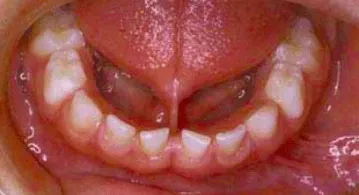
When too short or tight (commonly called "tongue-tie"), it can restrict tongue movement. This may lead to breastfeeding difficulties in infants, speech delays in children, or even airway and posture issues in adults. - Labial frenum (between the upper or lower front teeth):
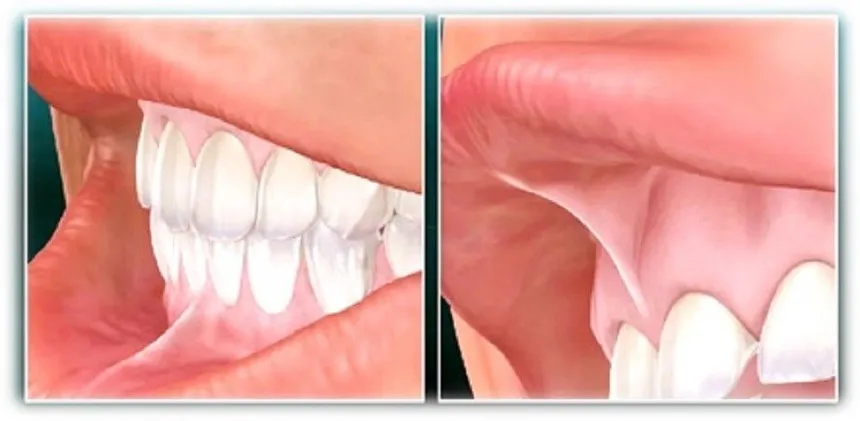
A prominent labial frenum may contribute to spacing between front teeth (diastema), interfere with orthodontic treatment, or pull on the gum tissue, potentially causing recession or hygiene difficulty. - Buccal frenum (inside the cheeks):
Less commonly involved, but when positioned too low or tight, it can affect denture fit or create gum recession in adjacent teeth.
How do I know if a frenectomy is necessary?
Frenectomies are often recommended when the frenum is causing symptoms such as speech difficulty, feeding issues, spacing between teeth, gum recession, or if it interferes with planned dental or orthodontic work. Dr. Sakhai evaluates the location, tightness, and function of the frenum before recommending treatment.
Is a frenectomy safe for infants and children?
Yes. When indicated, frenectomies are safely performed in infants (for feeding issues) and children (for speech development or orthodontic concerns). In younger patients, earlier intervention can often prevent future complications.
Will a frenectomy help close the gap between my teeth?
If a thick labial frenum is contributing to a diastema (gap), a frenectomy can help prevent the tissue from interfering with tooth movement. However, orthodontic treatment is typically still required to close the gap.
Is the procedure painful?
The procedure is performed under local anesthesia and is quick and well-tolerated. Mild post-operative soreness is common but manageable with over-the-counter pain medication. Many patients feel comfortable resuming normal activities within a day.
What’s the healing process like?
Healing is usually rapid. Patients may notice some swelling, tightness, or mild discomfort for a few days. Dr. Sakhai may recommend gentle stretching or movement exercises to improve healing and reduce the chance of tissue reattachment.
Can the frenum grow back after the procedure?
While reattachment is rare, especially with proper post-operative care, it is possible. Following recommended aftercare instructions and prescribed exercises helps ensure optimal healing and function.
Does a frenectomy affect speech?
If a tight lingual frenum has been restricting tongue mobility, releasing it may improve articulation and speech clarity. A speech therapist may be involved in follow-up care to help retrain proper tongue posture and movement patterns.
Do adults ever need a frenectomy?
Yes. Adults may benefit from a frenectomy to address gum recession, prepare for implant placement or prosthetics, relieve tension pulling on the gums, or assist in the success of orthodontic or periodontal procedures.