
Preserving Bone. Supporting Future Options. Minimizing Discomfort.
Not all tooth extractions are the same. When a tooth must be removed, our priority is to do so with minimal trauma to the surrounding bone and gum tissue. Atraumatic extractions—sometimes called minimally invasive or gentle extractions—are designed to protect the underlying structures and set the stage for optimal healing or future treatments like dental implants.
Why Choose an Atraumatic Extraction?
Unlike traditional forceful methods, atraumatic techniques use specially designed instruments and methods to carefully remove a tooth while preserving the delicate bone around it. This approach has multiple advantages:
- Preserves bone and gum architecture
- Reduces post-operative swelling and discomfort
- Minimizes risk of complications
- Enhances healing outcomes
- Improves candidacy for dental implants
Ideal Candidates
Atraumatic extraction is ideal when:
- A tooth is severely decayed or fractured and non-restorable
- A hopelessly loose tooth needs removal due to periodontal disease
- You plan to replace the tooth with a dental implant
- Preservation of aesthetics is important, especially in the front of the mouth
What to Expect
Dr. Sakhai will perform your extraction in a calm and precise manner using advanced techniques and instruments. The procedure is typically done under local anesthesia, with optional sedation for added comfort. Following the extraction, we may place a bone graft in the socket to prevent collapse of the ridge and preserve the site for future treatment.
What Happens After the Tooth is Removed?
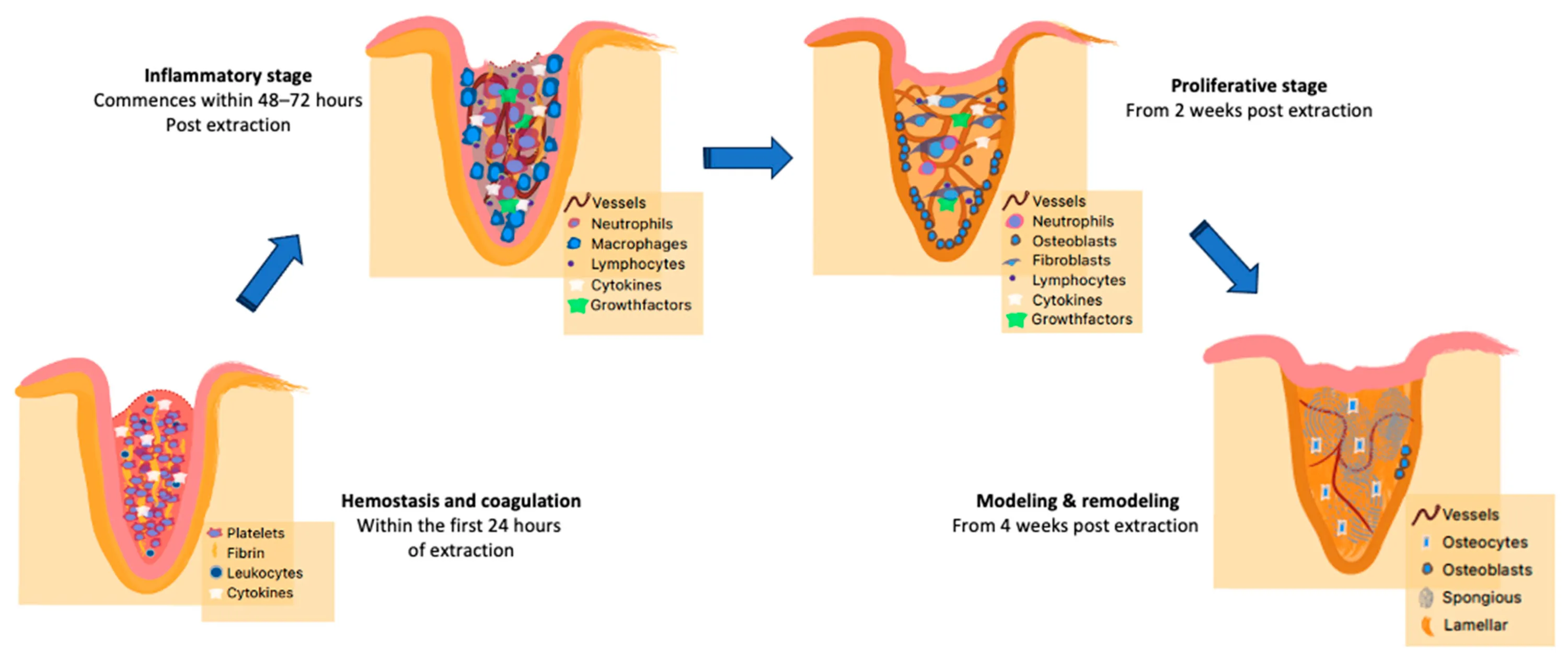
After an extraction, the site is often treated to preserve the bone and support healing. In many cases, PRF (Platelet-Rich Fibrin)—a healing concentrate from your own blood—is placed into the socket. Depending on the tooth and future plans, the site may also be grafted with bone material, often combined with PRF, to maintain volume for potential replacement options like dental implants or bridge.
These steps help protect the area, promote natural healing, and preserve the foundation for long-term success—especially if a dental implant, bridge, or denture is being considered.
Options for Replacing a Missing Tooth
After healing, we will work closely with your restorative dentist or prosthodontist to help you choose the best replacement option for your individual needs. These may include:
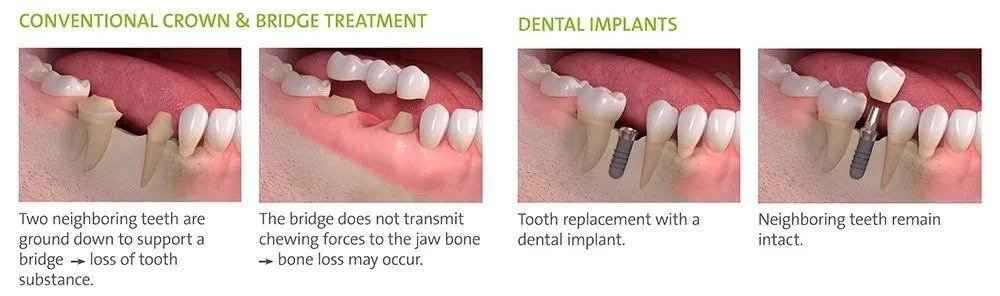
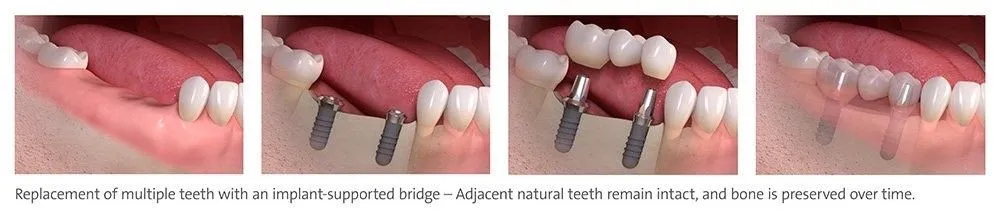
- Dental Implant: A permanent, natural-looking option that replaces the tooth root and crown.
- Fixed Bridge: An option when implants are not desired or feasible, using adjacent teeth for support.
- Removable Partial Denture: A more economical, non-fixed option that restores function and appearance.
We prioritize preserving the socket during extraction to keep these future options open and predictable.
Still have questions?
Click here to visit our FAQ page →