
When a Closer Look Is the Best Step Forward
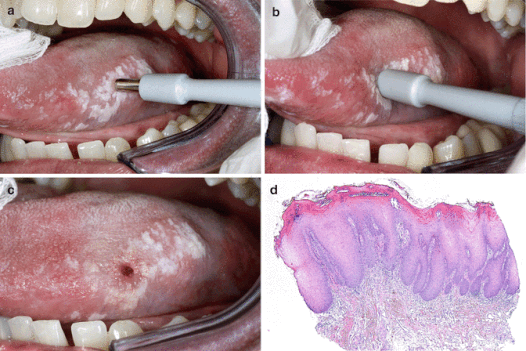
Sometimes during an exam, we find a lesion, lump, or area of tissue that doesn’t look or behave like healthy oral tissue. When that happens, the most reliable way to determine the cause is with a biopsy—a small sample of tissue that’s carefully removed and sent to a pathology lab for evaluation. Biopsies are not always a sign of something serious, but they are a proactive and important step in protecting your health.
Why a Biopsy May Be Recommended
There are many reasons why we might suggest a biopsy, including:
- A sore or ulcer that doesn’t heal after 10–14 days
- White or red patches on the gums, tongue, or cheeks
- Unusual lumps or growths
- Changes in tissue texture or color
- Persistent swelling or bleeding
- Evaluation of lesions found on imaging or during surgery
Many biopsies return as benign, but we never make assumptions—your peace of mind and safety come first.
What to Expect
- Comfort-Focused Care: We use local anesthesia to completely numb the area. The procedure itself is usually quick and painless.
- Small Sample, Big Insight: A small piece of tissue is removed—either with a scalpel, punch instrument, or laser—depending on the area and type of lesion.
- Pathology Report: The sample is sent to an oral pathology lab for microscopic analysis. Results usually return within 7–14 days.
- Follow-Up: We will contact you as soon as we receive your report, and discuss next steps if any treatment is needed.
Types of Biopsies We Perform
- Incisional Biopsy – Removal of a portion of a larger lesion
- Excisional Biopsy – Complete removal of a small lesion
- Brush Biopsy (in some screening cases)
- Soft Tissue and Bone Biopsies
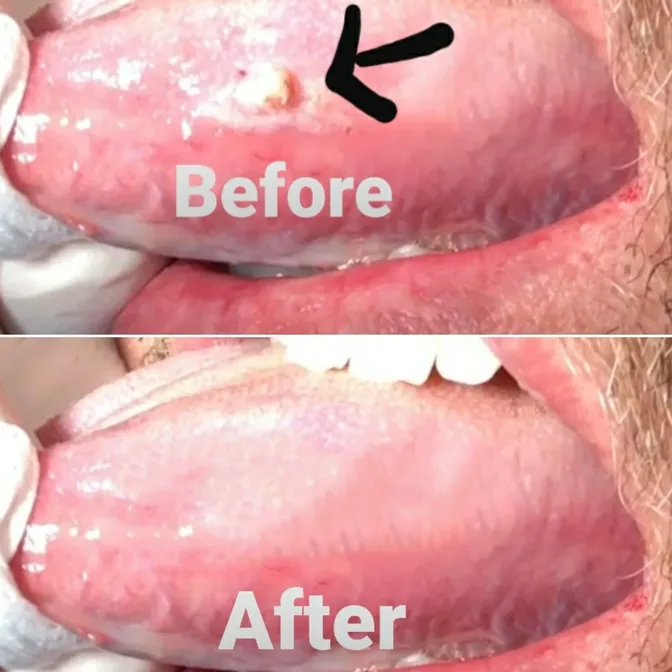
The type of biopsy depends on the size, location, and clinical characteristics of the area in question.
Trust in Expert Evaluation
As periodontists, we are trained to evaluate not just the teeth and gums, but the entire oral environment, including the detection of lesions that may require further examination. Early diagnosis gives you more options and better outcomes.
Worried About a Spot in Your Mouth?
If you've noticed a sore, spot, or growth that hasn’t gone away, don’t wait. We’re here to evaluate it with compassion and expertise.
Still have questions?
Click here to visit our FAQ page →