
Building Bone for Dental Implants in the Upper Jaw
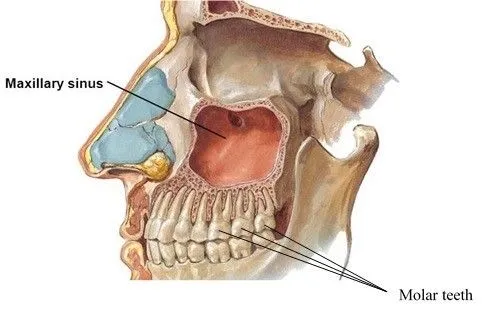
If you've been told you don’t have enough bone in the upper jaw for a dental implant, you’re not alone. In the back of the upper jaw—particularly near the molars and premolars—the bone is often too thin or insufficient due to the proximity of the sinus. This is where sinus augmentation, also known as a sinus lift, becomes an important solution.
At our practice, we perform this specialized procedure to rebuild bone and create a strong foundation for successful, long-lasting implants—even in areas where bone has resorbed or the sinus floor is naturally low.
Why Would I Need a Sinus Lift?
To place a dental implant, there needs to be enough healthy bone to support it. Sometimes, the maxillary sinus (the hollow air space behind your cheekbones) is too close to where the implant needs to go, or the bone beneath it is too thin.
Reasons you might need a sinus lift include:
- Bone loss due to tooth extraction or periodontal disease
- Natural anatomy with a low sinus floor
- Prolonged tooth loss that has led to bone resorption
- Desire to place dental implants in the upper posterior region
What Happens During the Procedure?
The procedure is performed in our office with local anesthesia or sedation to keep you comfortable.
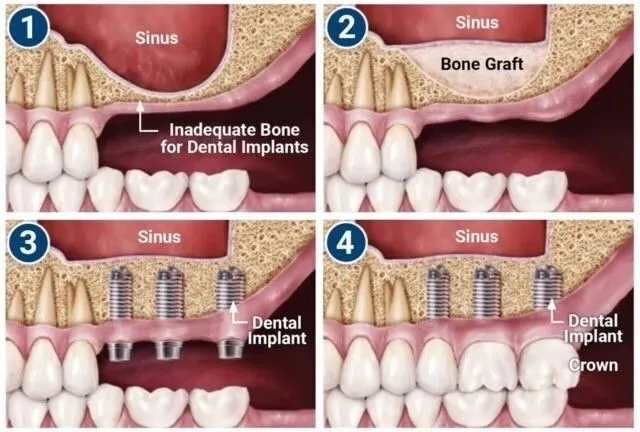
- Accessing the Sinus: A small window is created in the bone near your upper molars.
- Lifting the Membrane: The sinus membrane is gently lifted upward to make space.
- Bone Graft Placement: A bone grafting material is placed beneath the lifted membrane to encourage new bone growth.
- Healing Period: Over the next few months, your body will integrate the graft and grow new bone in the area.
Depending on your case, we may place the dental implant at the same time as the sinus lift or after healing is complete.
What Type of Bone Is Used?
We use safe, biocompatible bone graft materials—either from a donor (allograft), from an animal source (xenograft), or synthetic grafts—based on your specific needs and preferences. Xenografts, typically derived from bovine sources, are thoroughly processed for safety and widely used in sinus augmentation with excellent long-term success.
Healing and Recovery
Healing typically takes between 4–9 months depending on the extent of the graft. During this time, the new bone becomes strong enough to support your dental implant. Most patients report minimal discomfort and are back to normal activity within a day or two.
Is Sinus Augmentation Safe?
Yes. This is a highly predictable and commonly performed procedure with excellent long-term outcomes. With proper care and follow-up, it significantly increases the success rate of dental implants in the upper jaw.
Ready to Explore Your Options?
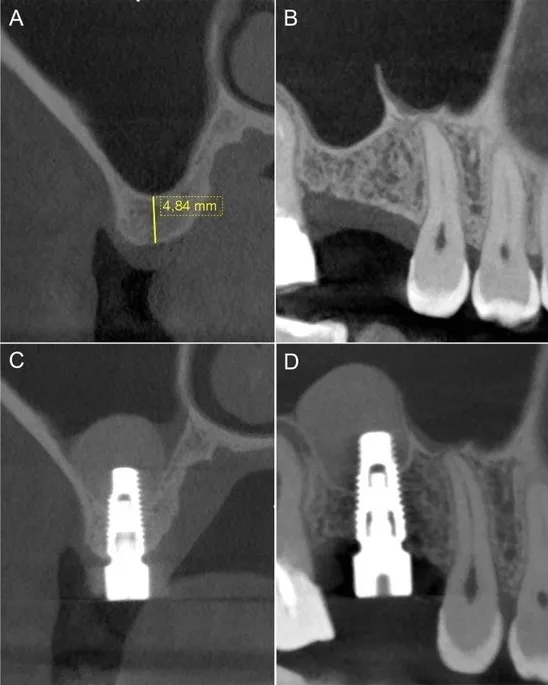
If you’ve been told you don’t have enough bone for an implant, a sinus lift may make treatment possible. Schedule a consultation today and we’ll walk you through your options with advanced imaging (such as CBCT scans) and a customized treatment plan.
Still have questions?