
Rebuilding Jawbone for Implant Support and Esthetics
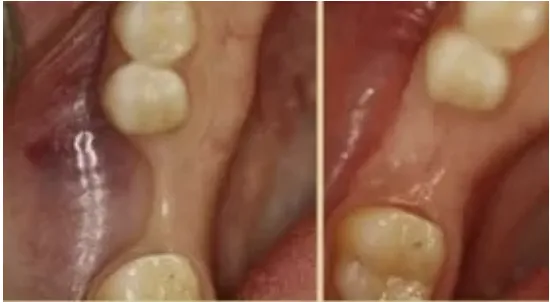
Tooth loss, gum disease, trauma, or long-term infection can lead to loss of jawbone volume — a condition known as ridge resorption. This can cause visible indentations in the gum and jawline and make it difficult or even impossible to place a dental implant properly.
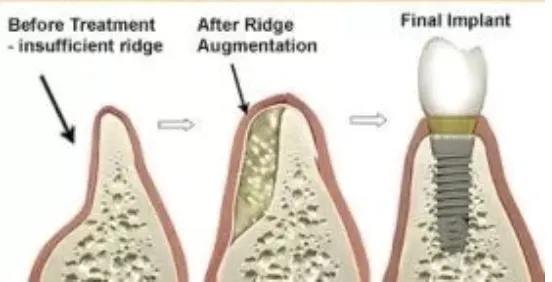
Ridge augmentation is a regenerative surgical procedure used to restore lost bone and natural contours of the jaw, creating a stable foundation for future implant placement or improving esthetics under bridges and dentures.
What Does the Procedure Involve?
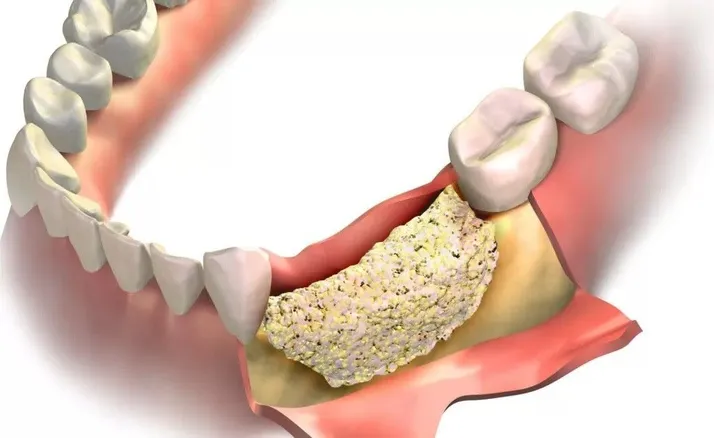
Ridge augmentation is typically performed by placing bone graft material into the area where bone is deficient. This material may be:
- Autogenous (from your own body)
- Allograft (from a human donor)
- Xenograft (from an animal source, usually bovine)
- Synthetic graft (man-made biocompatible materials)
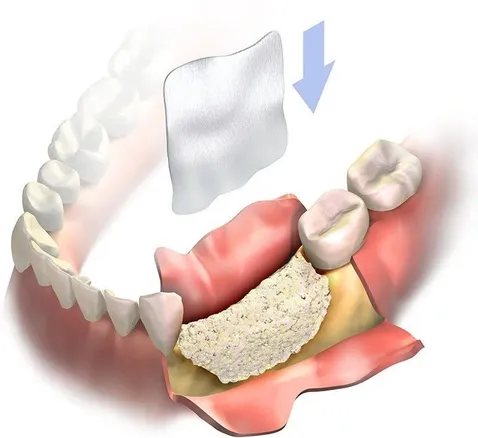
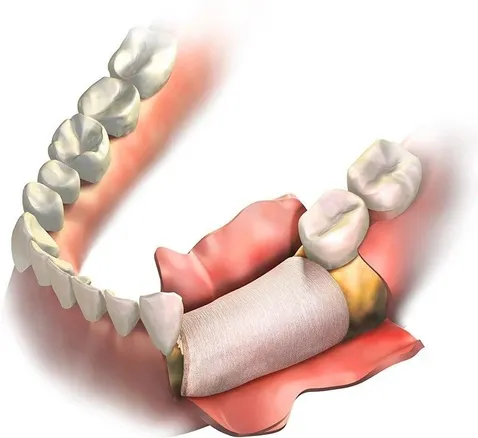
In some cases, a membrane may be placed over the graft to protect it and encourage proper healing — a process known as guided bone regeneration (GBR).
Enhanced Healing with GEM 21S®
In some cases, Dr. Sakhai may recommend an advanced regenerative material called GEM 21S® to support your bone grafting procedure. GEM 21S® combines a synthetic bone scaffold with a powerful, lab-engineered growth factor (PDGF) that stimulates your body’s natural healing response. This technology helps accelerate new bone and soft tissue growth, improving both the speed and success of healing.
It is FDA-approved, biocompatible, and widely used in cases where enhanced regeneration is desired — such as bone loss from gum disease or preparation for dental implants.
The procedure is performed in our office under local anesthesia, with or without sedation, depending on your comfort level and case complexity.
Healing and Follow-Up
After ridge augmentation, healing typically takes four to six months as the grafted bone integrates with your existing jawbone. Once healed, your jaw will have regained the volume and strength necessary to support a dental implant or improve the contour of the gums and prosthetics.
Still have questions?