
What is ridge augmentation, and why is it needed?
Ridge augmentation is a surgical procedure that rebuilds areas of the jawbone that have resorbed or collapsed due to tooth loss, trauma, periodontal disease, or infection. It’s often needed when placing a dental implant or to restore natural-looking gum and bone contours under bridges or dentures.
How is the procedure done?
Bone grafting material is carefully placed into the deficient ridge, often secured with a membrane (guided bone regeneration). Depending on your case, the incision is closed over the site, and healing begins. This is done under local anesthesia, and sedation is available if needed.
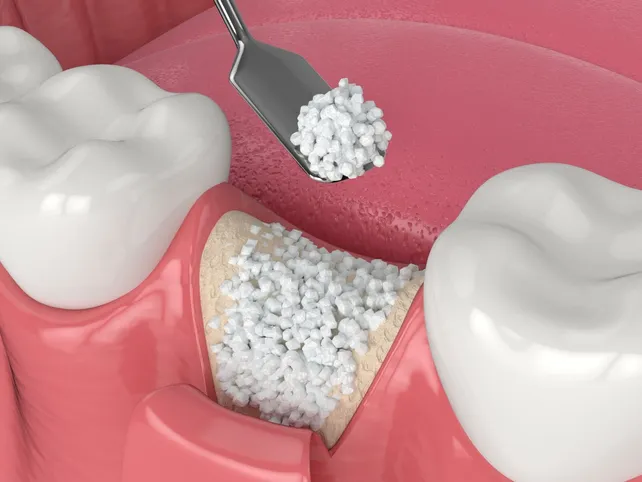
What type of bone is used?
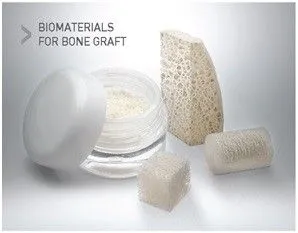
We use biocompatible graft materials based on your needs:
- Autograft – your own bone (typically from the chin or jaw)
- Allograft – sterilized bone from a human donor
- Xenograft – bovine (cow) or porcine (pig) bone
- Alloplast/Synthetic – lab-made biocompatible bone
In many cases, a combination is used to optimize results.
Is the procedure painful?
Discomfort is generally mild to moderate and well managed with medications. Local anesthesia ensures you do not feel anything during the procedure, and you’ll be provided with detailed aftercare instructions to keep recovery smooth.
What can I expect in terms of swelling and bruising?
Swelling is normal and typically peaks around 48–72 hours after surgery, then subsides over the next few days. Some patients also experience mild to moderate bruising, particularly in cases involving larger grafts or multiple surgical sites. Cold compresses and prescribed medications help reduce inflammation. We’ll provide specific guidelines to manage both.
How long does healing take?
Initial healing of the gum tissue occurs within 2–3 weeks. Full integration of the graft with your natural bone (called osseointegration) typically takes 4 to 6 months, depending on the size of the graft and your body’s healing response.
Will the grafted bone always work?
In most cases, grafts heal well and provide the intended support. However, like any surgical procedure, there's a small risk that the graft may not integrate fully. In such cases, a secondary grafting procedure may be needed before placing an implant.
Can I receive a ridge augmentation right after a tooth extraction?
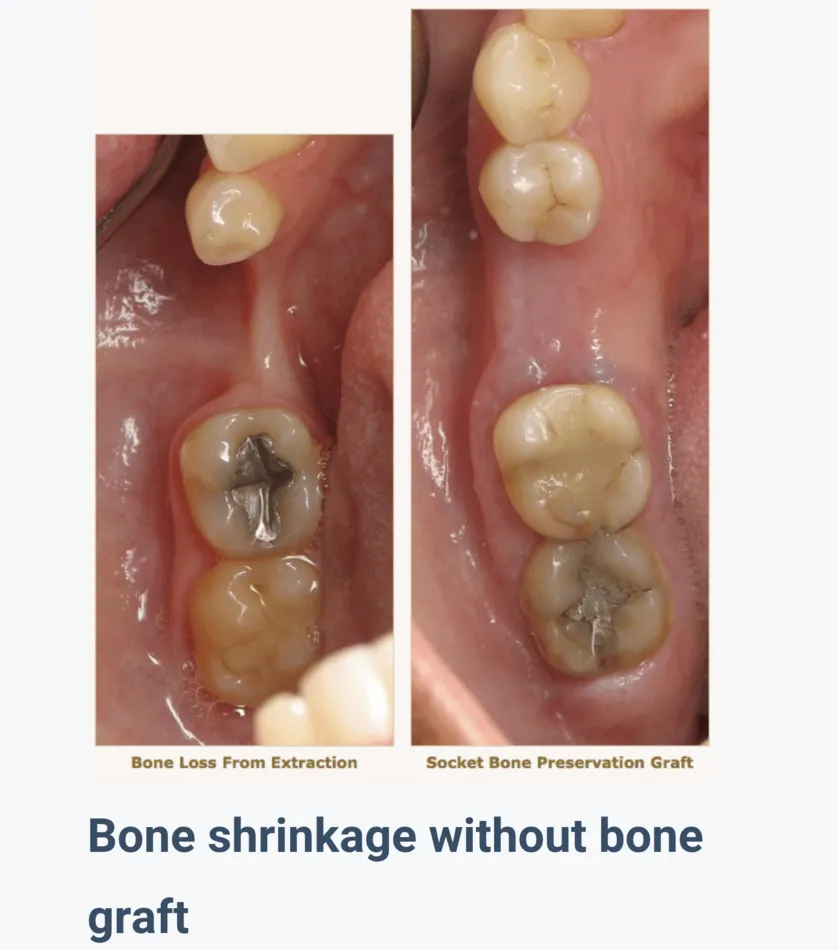
Yes. This is often referred to as ridge preservation and is ideal for preventing bone loss after an extraction. Ridge augmentation, on the other hand, is typically done when bone loss has already occurred.
What are the risks or possible complications?
Risks are minimal when performed by a trained specialist. However, they may include:
- Graft exposure or infection
- Graft failure or inadequate bone regeneration
- Swelling, bruising, or temporary numbness
- Prolonged healing in patients with underlying conditions (e.g., smokers, diabetics)
Are there patients who may not be good candidates for this procedure?
Patients with uncontrolled diabetes, active infections, compromised healing, or poor oral hygiene may require additional precautions or alternative treatment planning. We'll assess your overall health before proceeding.
Can I eat normally after the procedure?
Soft foods are recommended for several days following surgery. Avoid chewing on the surgical side and stay away from crunchy, hard, or spicy foods during initial healing. A full post-op food guide will be provided.
What imaging is used to plan ridge augmentation?
A 3D CBCT scan is often taken to assess the amount of available bone and proximity to anatomical structures. This allows us to plan your graft with precision, ensuring safety and long-term success.