
What It Is, Why It Matters, and How We Can Help
Gum disease—also called periodontal disease—is one of the most common oral health conditions affecting adults. It’s a chronic infection of the gums and bone that support your teeth. Left untreated, it can lead to tooth loss and is now strongly linked to overall health conditions like heart disease, diabetes, and stroke. At our practice, we specialize in diagnosing and treating all stages of periodontal disease using the most effective, evidence-based methods available.
What Is Gum Disease?
Gum disease begins when a film called plaque accumulates on the teeth. Over time, calcium in your saliva hardens this plaque into tartar (also called calculus), which cannot be removed by brushing or flossing alone. Harmful bacteria that thrive in this plaque and tartar release toxins that inflame and damage your gum tissue. In response, your immune system sends white blood cells to fight the infection, creating an inflammatory reaction. This early stage is called gingivitis, and it's often marked by red, swollen gums that bleed easily when brushing or flossing. If left untreated, the condition progresses to periodontitis—a chronic, often silent disease where the gums, connective tissue, and supporting bone are gradually destroyed. At this stage, irreversible damage may occur, often without pain or obvious symptoms.
Signs and Symptoms of Moderate to Advanced Gum Disease
- Gums that are red, swollen, or bleed easily
- Gums that appear to pull away (recede) from the teeth
- Persistent bad breath (halitosis)
- Pus between your teeth and gums
- Loose teeth or teeth that shift
- Changes in how your teeth fit together when you bite
- Changes in how dentures or implant restorations fit
- Or in many cases—no symptoms at all
Why Gum Disease Is Serious
It’s not just about your teeth anymore.
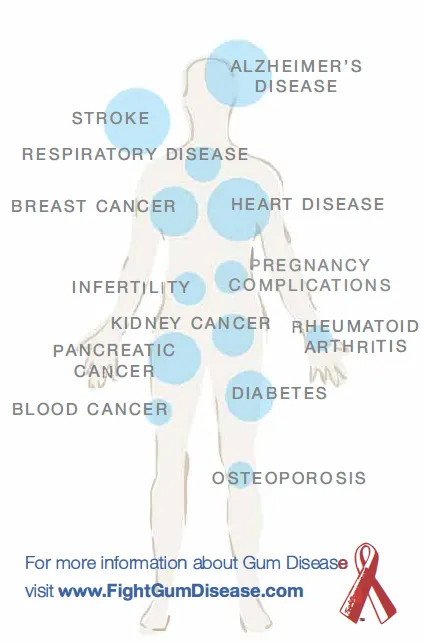
Gum disease has systemic implications. Scientific studies have shown strong links between chronic periodontal inflammation and serious health problems including:
- Heart disease
- Stroke
- Diabetes
- Pregnancy complications
- Respiratory illness
- Osteoporosis
- Alzheimer’s disease
- Rheumatoid arthritis
- Pancreatic, kidney, and blood cancers
- Breast cancer
- Infertility
Maintaining periodontal health is a critical part of protecting your overall wellness.
What Are the Risk Factors?
Anyone can develop gum disease, but certain factors increase your risk:
- Smoking or tobacco use (a major contributor)
- Genetic predisposition
- Poor oral hygiene habits
- Chronic stress
- Infrequent dental visits
- Diabetes and other systemic conditions
- Hormonal changes (pregnancy, menopause)
- Poorly fitting restorations or dentures
How We Treat Gum Disease
Every case is unique, and we tailor your treatment plan to your specific needs and stage of disease. Treatment options may include:
- Scaling and root planing (deep cleaning)
- Locally delivered antibiotics
- Laser periodontal therapy
- Gum grafting or regenerative surgery
- Osseous (flap) surgery for pocket reduction
- Ongoing periodontal maintenance visits
Our goal is to stop the disease from progressing, preserve your natural teeth, and restore oral health as comfortably and conservatively as possible.
How We Diagnose It
We use a combination of advanced clinical examination and cutting-edge diagnostics including:
- Periodontal charting to measure gum pocket depths
- Digital radiographs to assess bone loss
- 3D CBCT imaging for detailed analysis
- Bacterial DNA testing to identify the exact microbes causing your infection
This allows us to diagnose precisely and monitor your condition over time.
Why Choose a Periodontist?
As a board-certified periodontist, Dr. Sean Sakhai is an expert in the prevention, diagnosis, and treatment of gum disease. His advanced training allows him to perform procedures that general dentists typically do not offer, and to manage even the most complex cases with precision and care.
Frequently Asked Questions
Can gum disease be cured?
Gingivitis is reversible. Periodontitis, while not "curable," can be successfully managed and stabilized with professional treatment and diligent home care.
Will I lose my teeth?
Not necessarily. Many patients are able to keep their natural teeth for life with appropriate treatment and regular maintenance.
Does treatment hurt?
We use gentle techniques, local anesthetics, and sedation options to keep you comfortable throughout any procedure.
Is gum disease linked to other health problems?
Yes. Chronic inflammation from gum disease is associated with systemic issues like heart disease, diabetes, and more.
What’s the best way to prevent it?
Brush and floss daily, visit your dentist regularly, avoid tobacco, and manage any underlying health conditions. If you've already been diagnosed with gum disease, stick to your customized maintenance plan.
Take the First Step Toward Better Health
Early detection and treatment are the keys to preserving your smile and protecting your overall health. If you’re showing signs of gum disease—or want to make sure you’re not—schedule a consultation today.