
Why is an “atraumatic” extraction important?
An atraumatic extraction is a technique designed to remove the tooth while preserving as much of the surrounding bone and gum tissue as possible. This is especially beneficial if you plan to replace the tooth later with an implant or bridge. Minimizing trauma helps reduce complications, enhances healing, and improves the outcome of future treatments.
What is PRF and why is it used after an extraction?
PRF (Platelet-Rich Fibrin) is made from your own blood and is rich in natural healing proteins and growth factors. It is placed into the extraction socket to accelerate healing, reduce inflammation, minimize the risk of infection, and promote soft tissue and bone regeneration. In some cases, PRF is placed alone; in others, it is combined with a bone graft to help maintain volume for future implant placement.
What is a dry socket, and how can it be prevented?
A dry socket happens when the blood clot after an extraction is lost too early, exposing the bone and causing pain. To help prevent this, we place Platelet-Rich Fibrin (PRF) in the socket. PRF supports clot stability and speeds up healing, reducing the risk of dry socket.
What are my options for replacing the tooth after extraction?
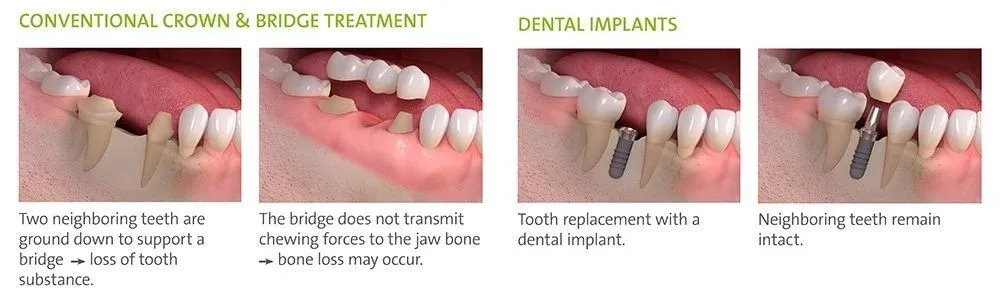
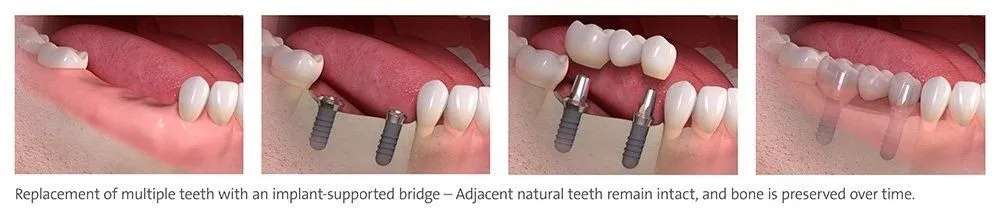
Common options include dental implants, fixed bridges, and removable partial dentures. Dr. Sakhai will help you choose based on your oral health, location of the missing tooth, and long-term goals. Early planning allows for more predictable, natural-looking outcomes.
What happens if I don’t replace the tooth?
Failing to replace an extracted tooth can lead to several complications:
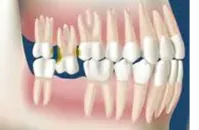
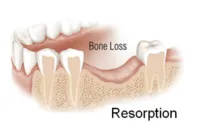
- Bone Loss: The jawbone begins to shrink in the area of the missing tooth, especially within the first year. This resorption can compromise adjacent teeth and make future implant placement more difficult or impossible without further grafting.
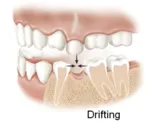
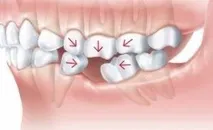
- Tooth Shifting: Neighboring teeth may drift into the empty space, causing bite misalignment, crowding, or spacing issues.
- Gum Changes: Without a replacement, the gums may collapse in the area, resulting in esthetic challenges.
- TMJ Dysfunction: Changes in your bite may place extra stress on the jaw joints, leading to jaw pain or headaches.
- Chewing Difficulty & Wear: You may start chewing on the opposite side, leading to excessive wear or discomfort over time.
What if the tooth has an infection? Can I wait to treat it?
Delaying extraction of an infected tooth can result in the spread of infection to adjacent teeth, the jawbone, or even systemic health issues such as sinus involvement, facial swelling, or fever. Severe infections may require emergency intervention or hospitalization. Prompt removal and management of the site reduces these risks significantly.
How much pain should I expect after the procedure?
While many patients experience only mild to moderate discomfort, it’s not uncommon to have more significant soreness, particularly with larger teeth or complex extractions. The degree of discomfort depends on the extent of the extraction, your individual pain threshold, and healing response. Swelling, bruising, and soreness usually peak within 48–72 hours and then begin to improve.
What should I expect during healing?
- Bleeding: Mild oozing is expected for several hours. Gauze is used to help control this.
- Swelling & Bruising: Swelling may last for 3–5 days. Bruising can occur, especially in older adults or after more involved procedures.
- Discomfort: You may need over-the-counter or prescribed medications to manage pain.
- Diet: A soft food diet is recommended for the first few days. Avoid using a straw or vigorous rinsing to protect the clot.
- Activity: Rest the day of surgery. Avoid heavy lifting or strenuous activity for a few days.
- Oral Hygiene: Keep the area clean, but avoid brushing directly over the socket for a few days. Rinsing gently with saltwater or an antimicrobial rinse may be advised.
When can I return to work or normal activities?
Many patients can return to work the next day, depending on the procedure and how they feel. For more complex extractions or multiple teeth, you may need extra rest or time off. You will receive specific post-op guidance tailored to your case.