
What is socket preservation?
Socket preservation is a bone grafting procedure performed immediately after a tooth extraction. Its purpose is to maintain the natural shape and volume of the jawbone by filling the empty socket with a graft material and promoting healthy healing.
Why is it important to preserve the socket right after extraction?
After a tooth is removed, the surrounding bone can shrink by up to 40–60% in width within the first six months. Preserving the socket helps maintain this bone, which is critical for future restorations such as dental implants or bridges. Without it, both function and esthetics can be compromised.
Is socket preservation only important for implants?
No. While socket preservation is essential for future dental implants, it’s also beneficial for bridge restorations. Maintaining the ridge contour prevents unsightly gaps or dips under a bridge and improves the long-term stability and appearance of the final result.
What happens if I don’t preserve the socket?
If the socket isn’t preserved, the bone may collapse, making future treatment more difficult. Rebuilding lost bone later often involves more invasive, time-consuming, and costly grafting procedures with longer healing times and less predictable outcomes.
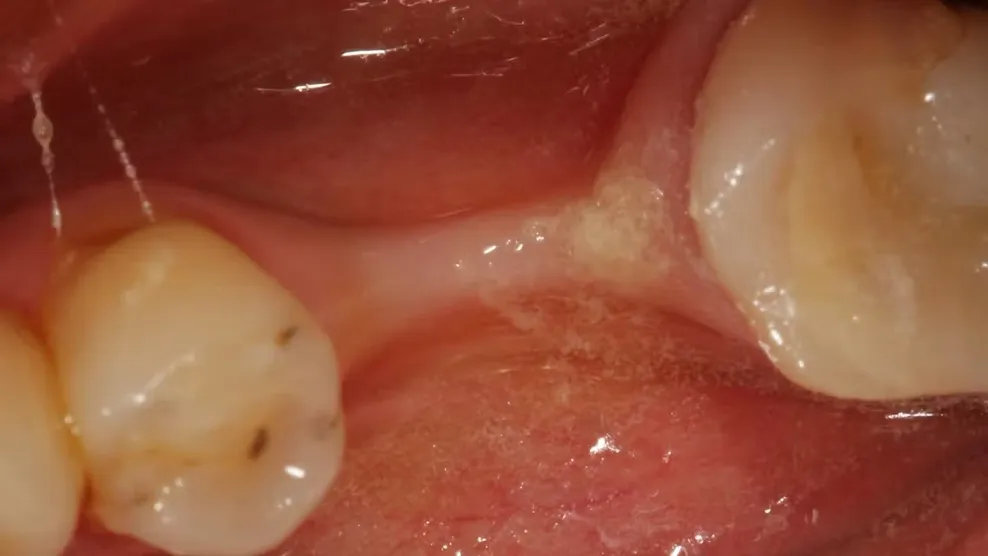
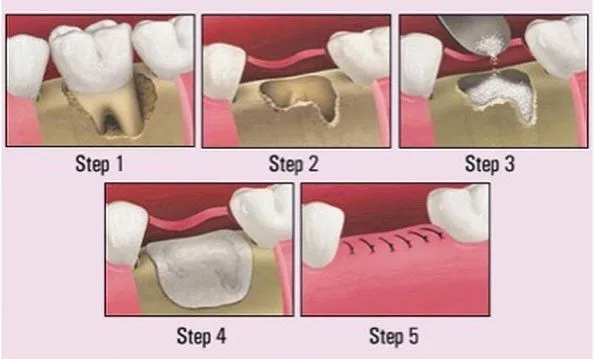
How is socket preservation performed?
Once the tooth is removed, a graft material is placed into the socket and covered with a membrane or collagen matrix. The area is then closed with sutures. This supports the bone structure and promotes proper healing.
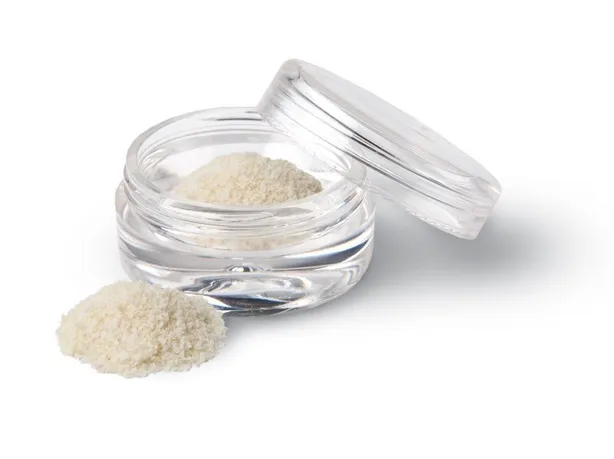
What kind of grafting materials are used?
Dr. Sakhai selects biocompatible materials based on your needs. These may include donor bone (allograft), synthetic bone, animal-derived bone (xenograft), or a combination.
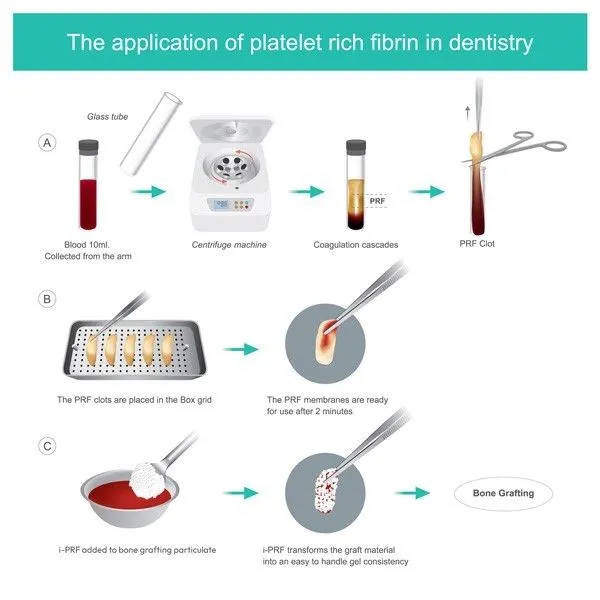
What is PRF and how does it help?
PRF (Platelet-Rich Fibrin) is created from a small sample of your blood and is rich in natural growth factors. It is used in every socket preservation procedure in our office to accelerate healing, reduce inflammation, avoid dry sockets, and improve tissue regeneration.
What should I expect after the procedure?
Some swelling, soreness, or bruising is normal. Pain may be more than mild for the first couple of days but generally improves quickly. PRF helps reduce symptoms and supports faster healing. Most patients resume normal routines within a few days.
Is this procedure covered by dental insurance?
Coverage varies based on your provider and policy. Our team can help you determine your benefits and assist with claim submission.